.png)
When should assessments be scheduled?
Overview
Collecting data for a purpose
Assessment within Essential Assessment is not designed to follow a fixed calendar or a one-size-fits-all schedule.
Is there an EA specific assessment schedule?
We believe assessment should align closely with a teacher’s learning scope and sequence to ensure it is both valid and meaningful. For this reason, we do not prescribe a fixed calendar or a “one-size-fits-all” assessment schedule.
Our assessments are intentionally flexible and designed to align with each school’s teaching and learning programme, enabling evidence to be gathered at the point it is most useful to inform instruction, monitor progress, and evaluate learning over time.
If you would like support in aligning EA assessments with your teaching programme, or guidance on which assessment type(s) may best suit your context, please don’t hesitate to contact us at info@essentialassessment.com.au
Establishing a baseline
A commonly recommended approach is to use a General – All Strands assessment as a pre-assessment when a strand or concept is first introduced within an interleaving unit of work. This provides clarity about:
- What your students already know
- Where misconceptions may exist
- Which prerequisite knowledge may need revisiting
This information supports deliberate instructional planning at the point of need.
Assessment is not front-loaded or end-loaded
This approach does not mean completing all pre-assessments at the beginning of the year and all post-assessments at the end. Assessment is most effective when it is timed to your teaching.
The guiding principle is simple: Collect data for a purpose, when it is most useful.
Strand-based assessments across the year
When a strand or concept is introduced during Semester 1:
- A pre-assessment is completed at the point of introduction.
- A mid-assessment for that same strand is typically completed once teaching for the strand concludes at the end of Semester 1.
- A post-assessment is completed at the end of Semester 2, following opportunities for spaced and retrieval practice, to confirm retention and growth over time.
When a strand is not introduced until Semester 2:
- It may be appropriate to skip the mid-assessment.
- In this case, only a pre- and post-assessment are completed (see our guide here on how to skip the mid assessment).
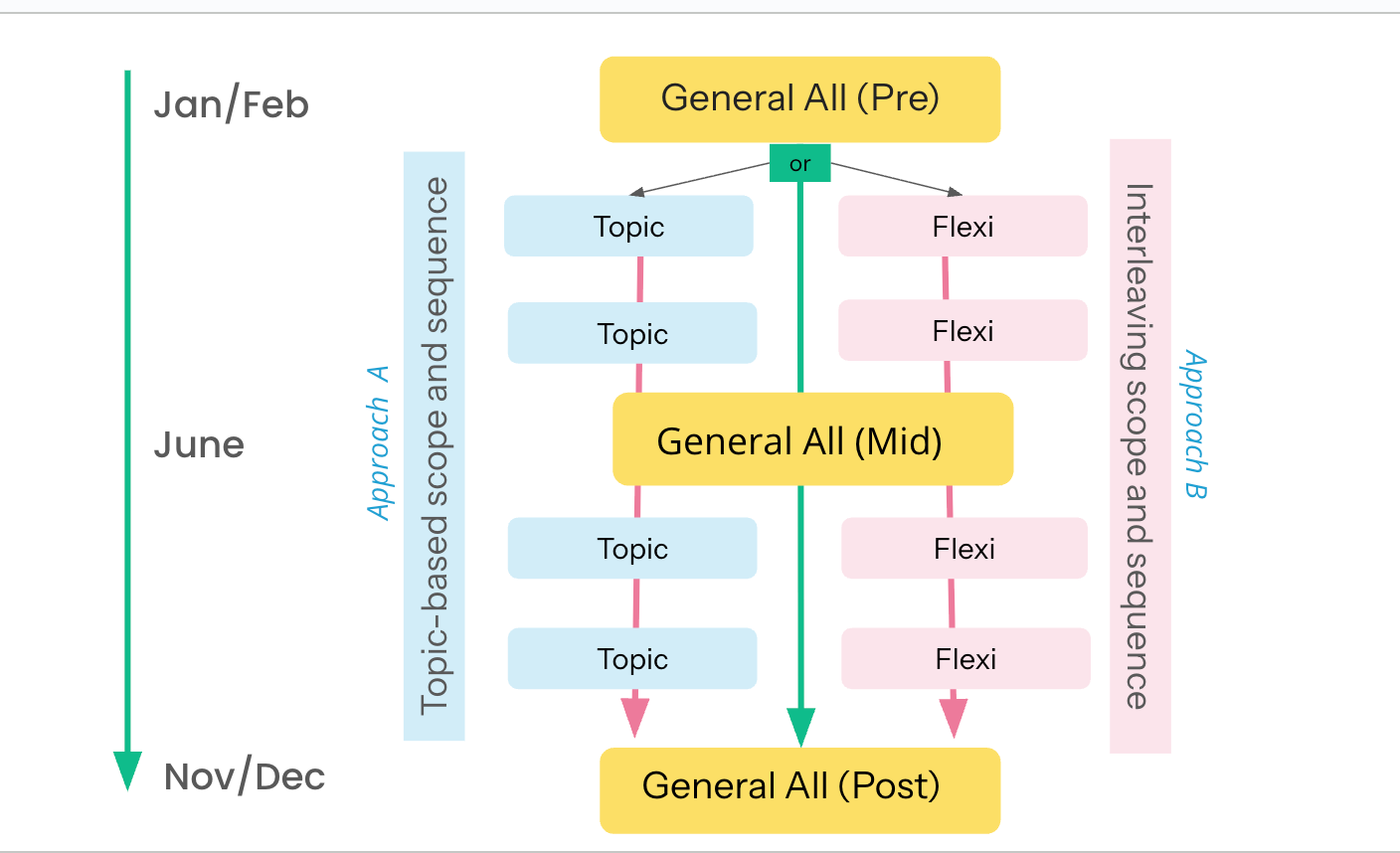
Flexi Assessments
Flexi Assessments can be used to align assessment precisely to the content descriptions you have taught within a unit.
- The pre-assessment flexi is often used after teaching within a unit
- A follow-up assessment (post-assessment flexi) is most valuable after spaced or retrieval practice, if further evidence or practice is required
This ensures assessment remains targeted, manageable, and instructionally meaningful.
Why this matters
Using Flexi Assessments in this way ensures that assessment:
- Supports interleaving and spaced practice
- Maintains curriculum clarity and coherence
- Reduces unnecessary assessment load
- Strengthens professional judgement with timely evidence
Assessment then becomes a meaningful, integral part of teaching — rather than an event added on at the beginning or end of the year.
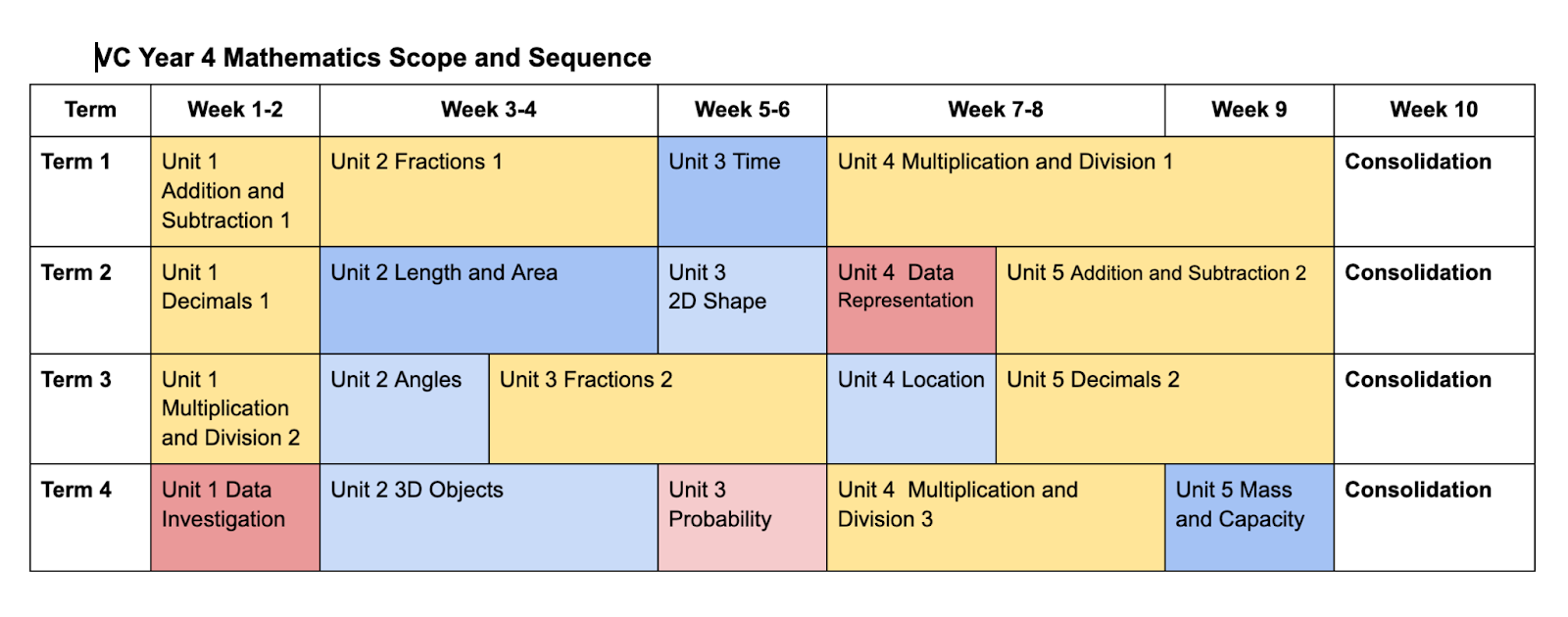
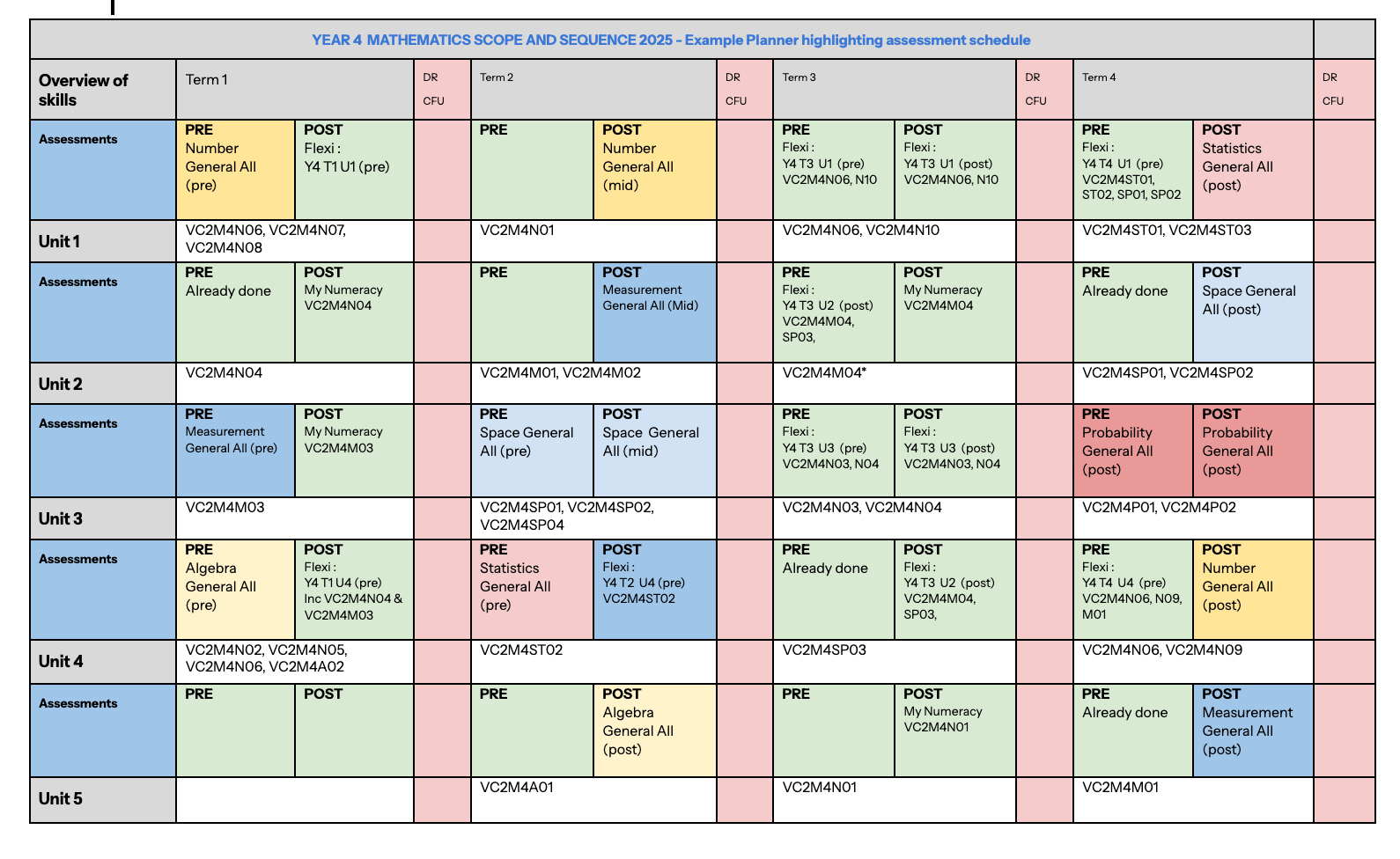
Sample Schedules